Yesterday, EU leaders spoke with Ukrainian President Zelensky.
They expressed satisfaction that Hungary and Slovakia had removed obstacles to reaching an agreement on a €90 billion loan to Ukraine and the 20th package of sanctions against Russia, and that supplies to these countries had resumed via the repaired Druzhba pipeline.
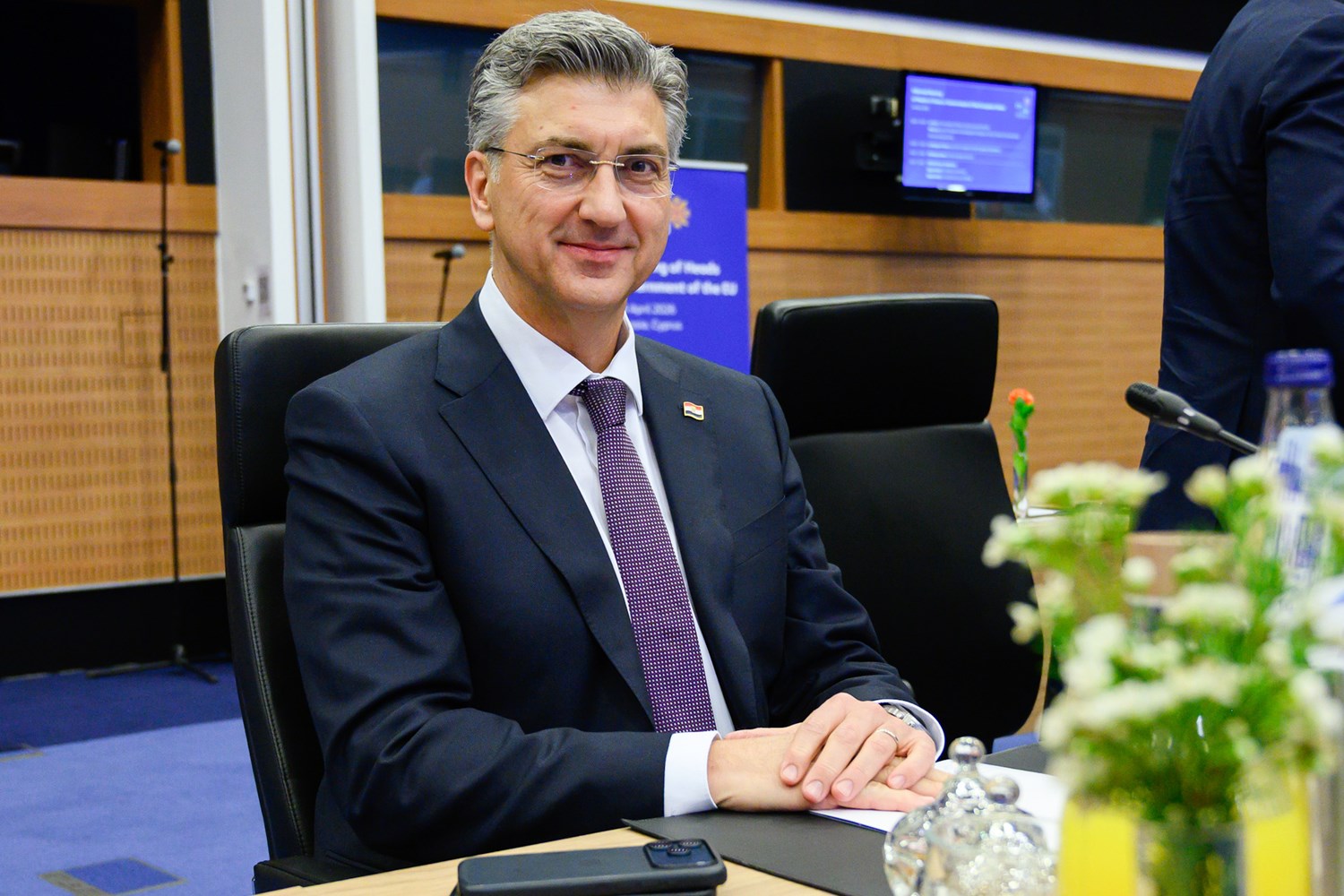
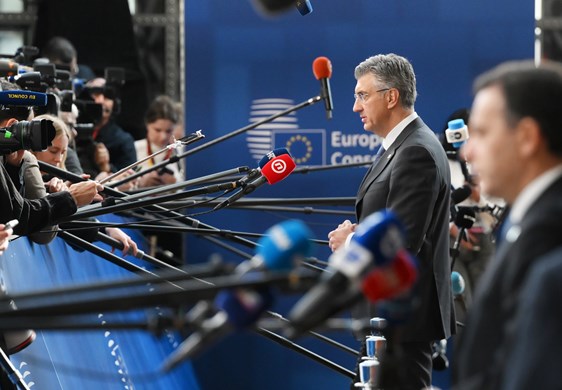
“I have once again stressed that the oil supply plan for Hungary and Slovakia via JANAF has proven to be functional, stable and safe. All the quantities ordered by MOL for the refineries in Százhalombatta and Bratislava have been transported,” said Prime Minister Andrej Plenković.
They also commented on the results of the elections in Hungary, and after the victory of Peter Magyar, they expect very good cooperation among the 27 EU member states, especially regarding Ukraine.
Ukraine needs strong security guarantees that are much broader than those of the European Union. Therefore, a peace agreement must include security guarantees from strong members of the international community, the Prime Minister said.
We support Ukraine's membership in the EU, but it is not realistic to achieve it by the beginning of 2027
Regarding the enlargement process, the Prime Minister stressed that Croatia supports Ukraine's European path, but added that it is not realistic to complete it by the beginning of 2027.
Ukrainian ambitions for membership, he added, are a very important step and part of the overall efforts to reach a peace agreement, and it is very important to openly tell Ukraine what realistic expectations are in terms of the calendar.
As the youngest member state, Croatia is aware of the complexity and length of the process, he said.
A framework needs to be created that will be further discussed at the European Council level, he added.
It is crucial to open the Strait of Hormuz as soon as possible
During talks on the situation in the Middle East, it was concluded that it is crucial to open the Strait of Hormuz.
Efforts will be made with a number of large countries that have the capabilities to help open the straits and to calm the imbalance in the supply of energy, especially oil, gas and kerosene.
In this context, they discussed in principle the European Commission's proposal on short-term, medium-term and long-term measures to combat the energy crisis, with long-term measures focused on finding alternatives to fossil fuels and the energy transition.
Croatia was among the first member states to adopt measures at the national level, limiting the prices of petroleum products and ensuring further support for gas and electricity.
In the debate on the new budget we want to preserve cohesion and agricultural policies
Today, the Multiannual Financial Framework for the period 2028-2034 will be discussed.
He recalled that the European Commission has proposed the largest budget to date, worth 2 trillion euros.
Negotiations today will primarily focus on the pillar of the budget related to competitiveness, as well as on securing budget revenues so that all priorities can be financed, especially security, migration and energy.
Speaking about Croatia's position in these negotiations, Prime Minister Plenković stressed that it is very clear - we will strive to preserve cohesion and agricultural policies and have room for investments in the competitiveness of the economy, security and defense.
He pointed out that after 13 years of membership, Croatia is 20 billion euros in the plus, when it comes to the ratio of funds paid and withdrawn from the European budget.
In the past ten years, he added, Croatia has jumped from 61 to 78 percent of the average development level according to the GDP per capita criterion, and we still need to catch up.
Croatia is among the most successful members in the implementation of NPOO
That is why it is important to have these funds as a financial lever for investing in balanced regional development and numerous other projects, from water management to transport, healthcare, education and others.
Speaking about the EU Next Generation Instrument, the Prime Minister said that Croatia has fully withdrawn the first eight tranches, which will be followed by two more, and added that we will use these funds in full and within the deadline.
When asked if he thought it would be possible to agree on a new budget by the end of this year, the Prime Minister stated that it was difficult for him to estimate at the moment and added that he knew from experience that such negotiations usually take longer.
There are still quite different positions, he said, and the debate is about how to finance such a large budget. This today, he added, is actually the first substantive discussion on that issue.
INFORMAL MEETING OF THE EUROPEAN COUNCIL
We welcome the unblocking of the 90 billion euro loan for Ukraine
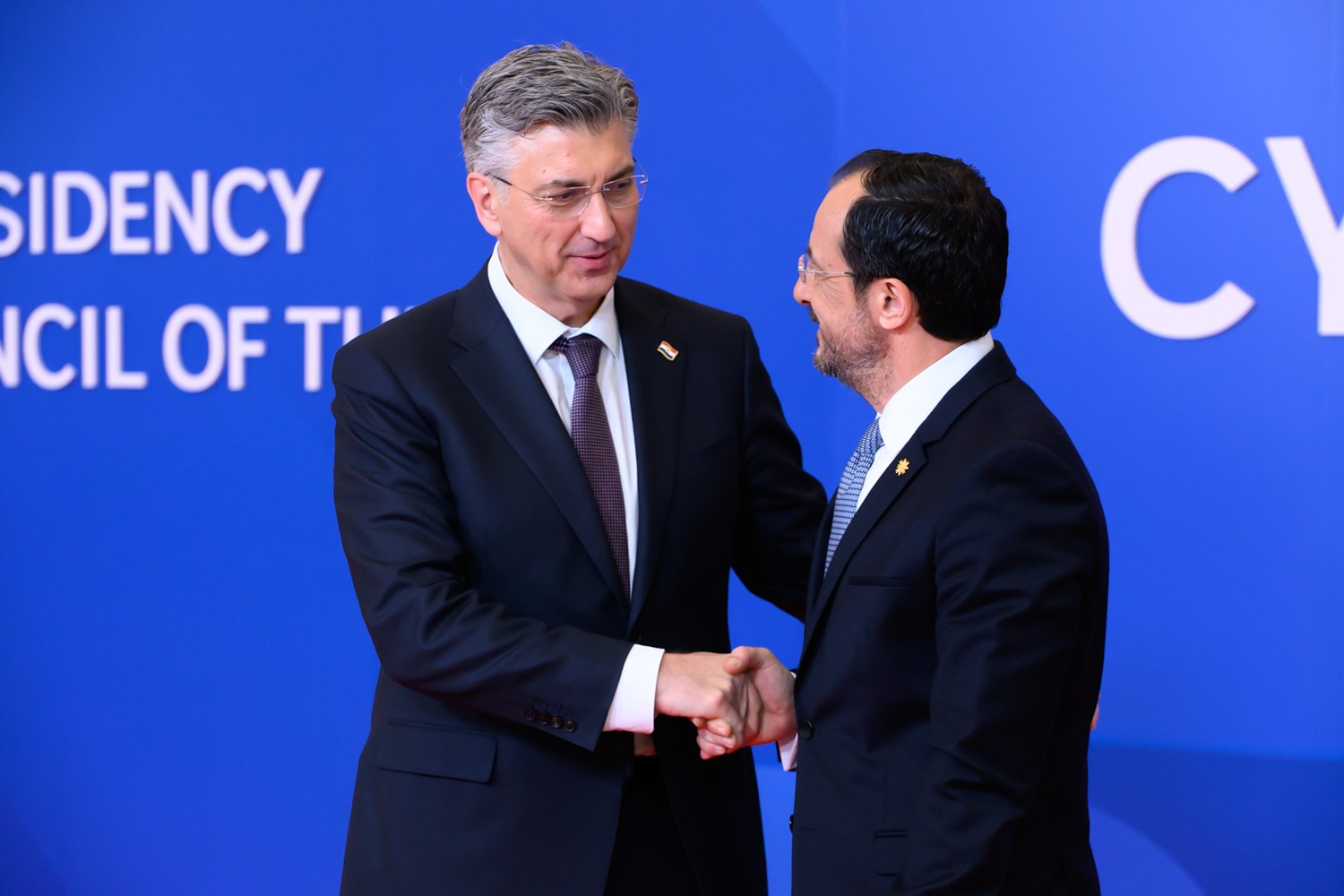
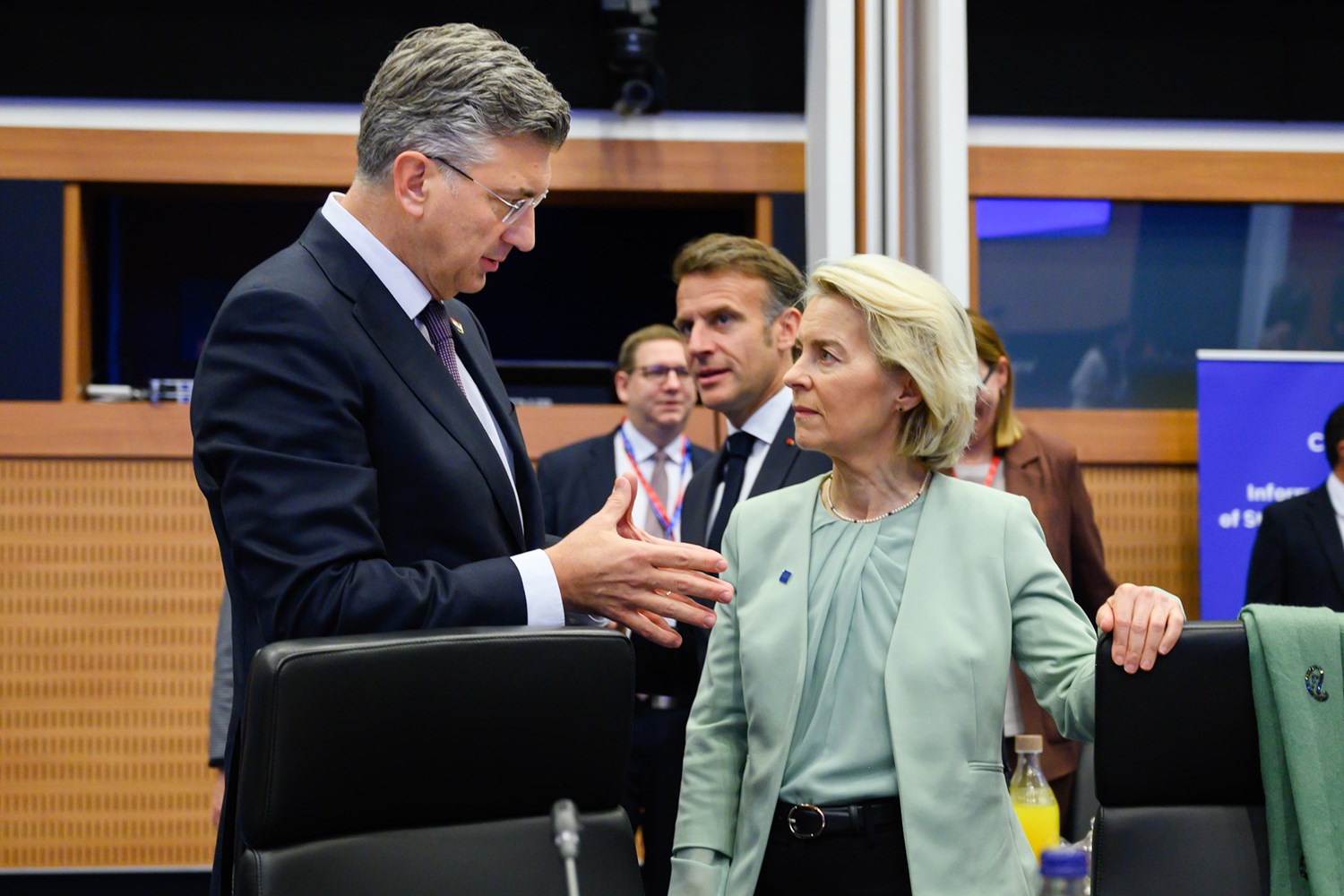
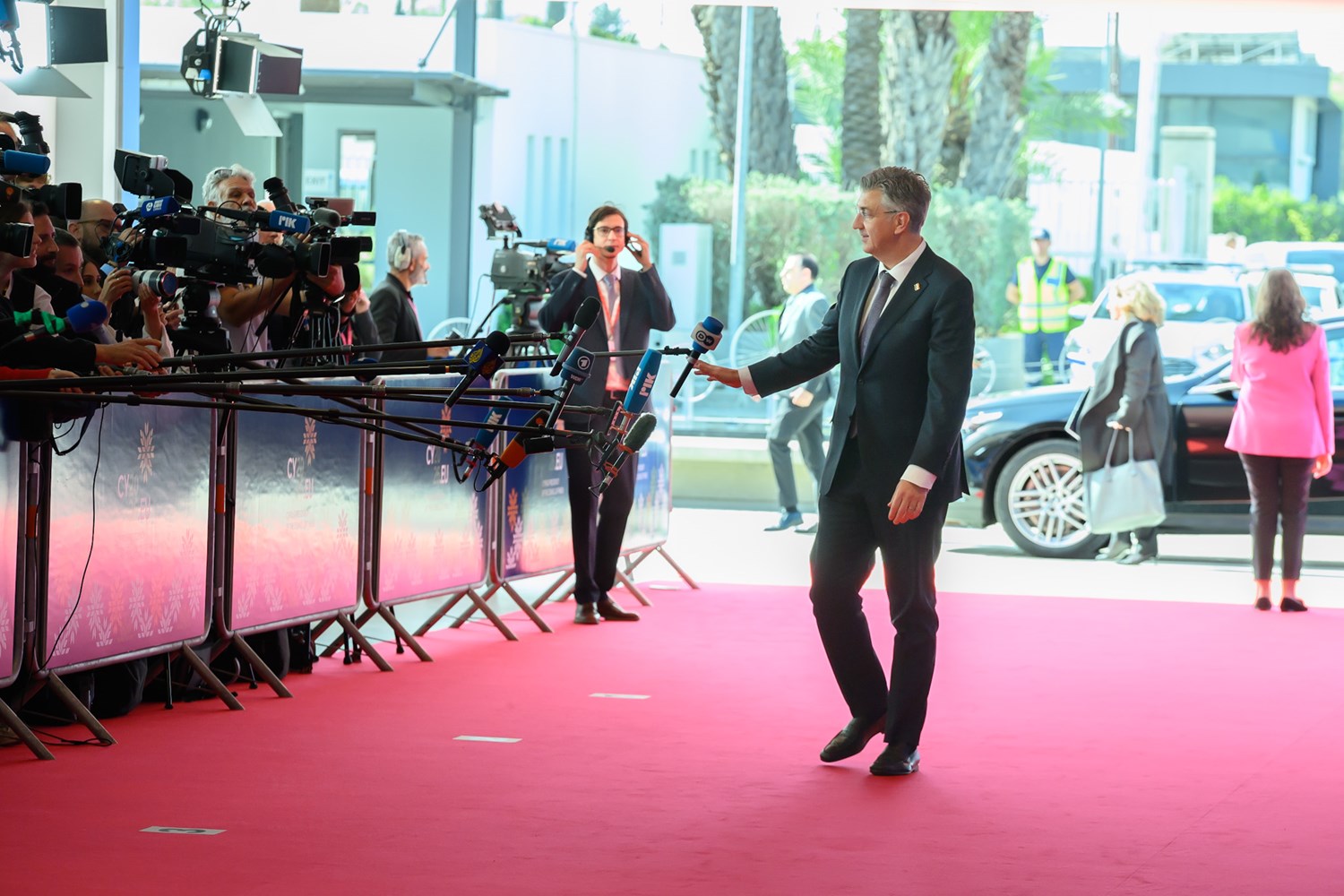
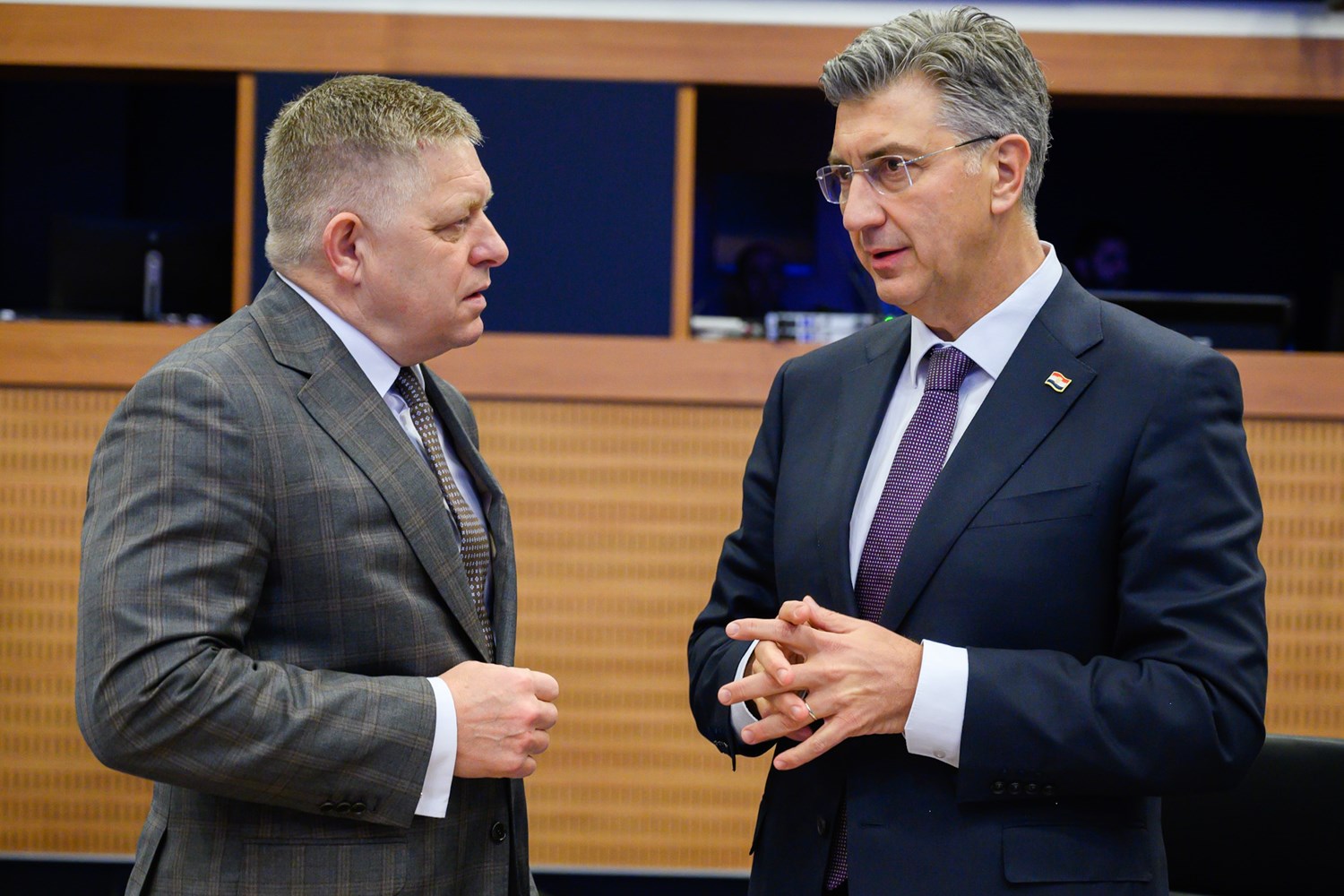
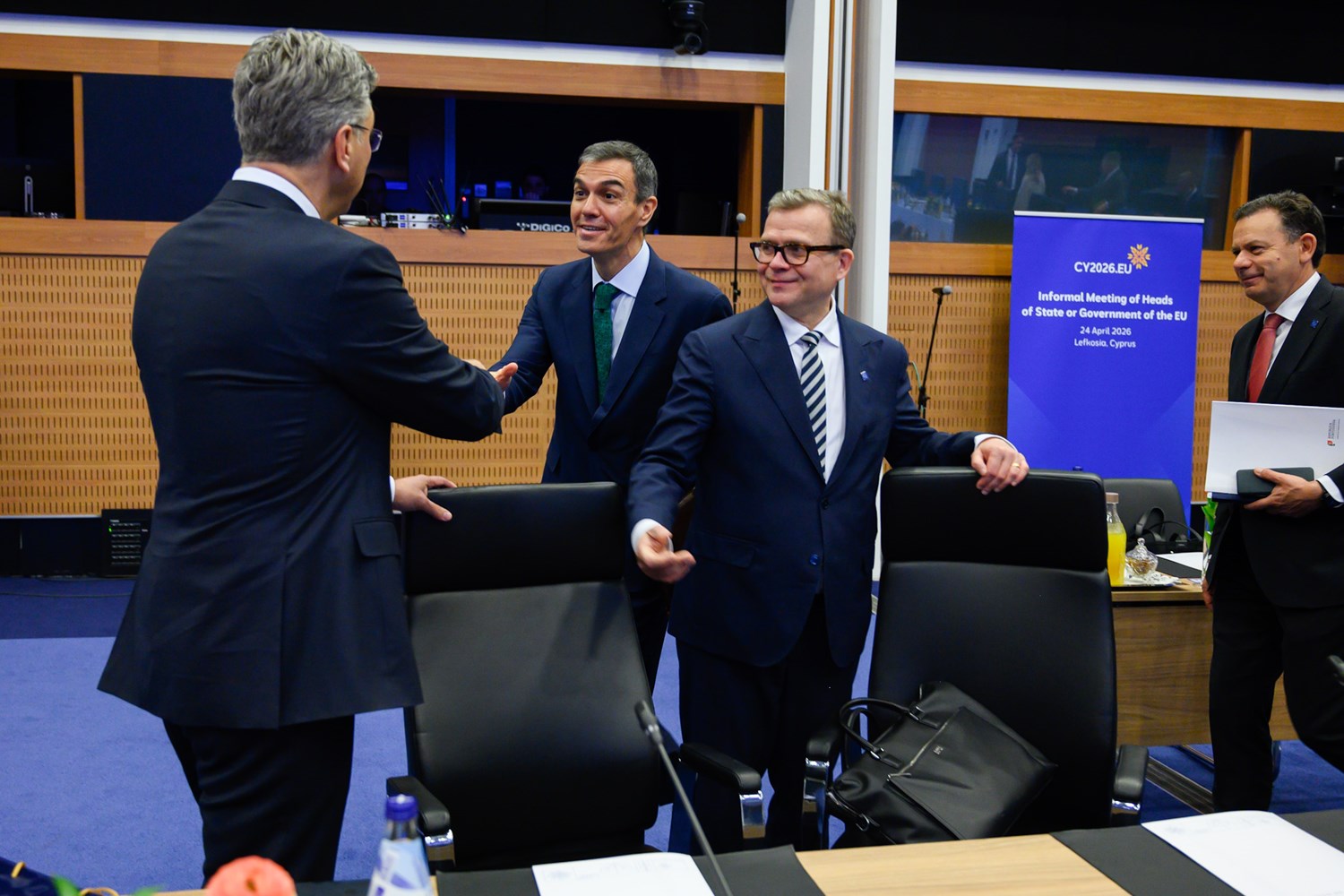
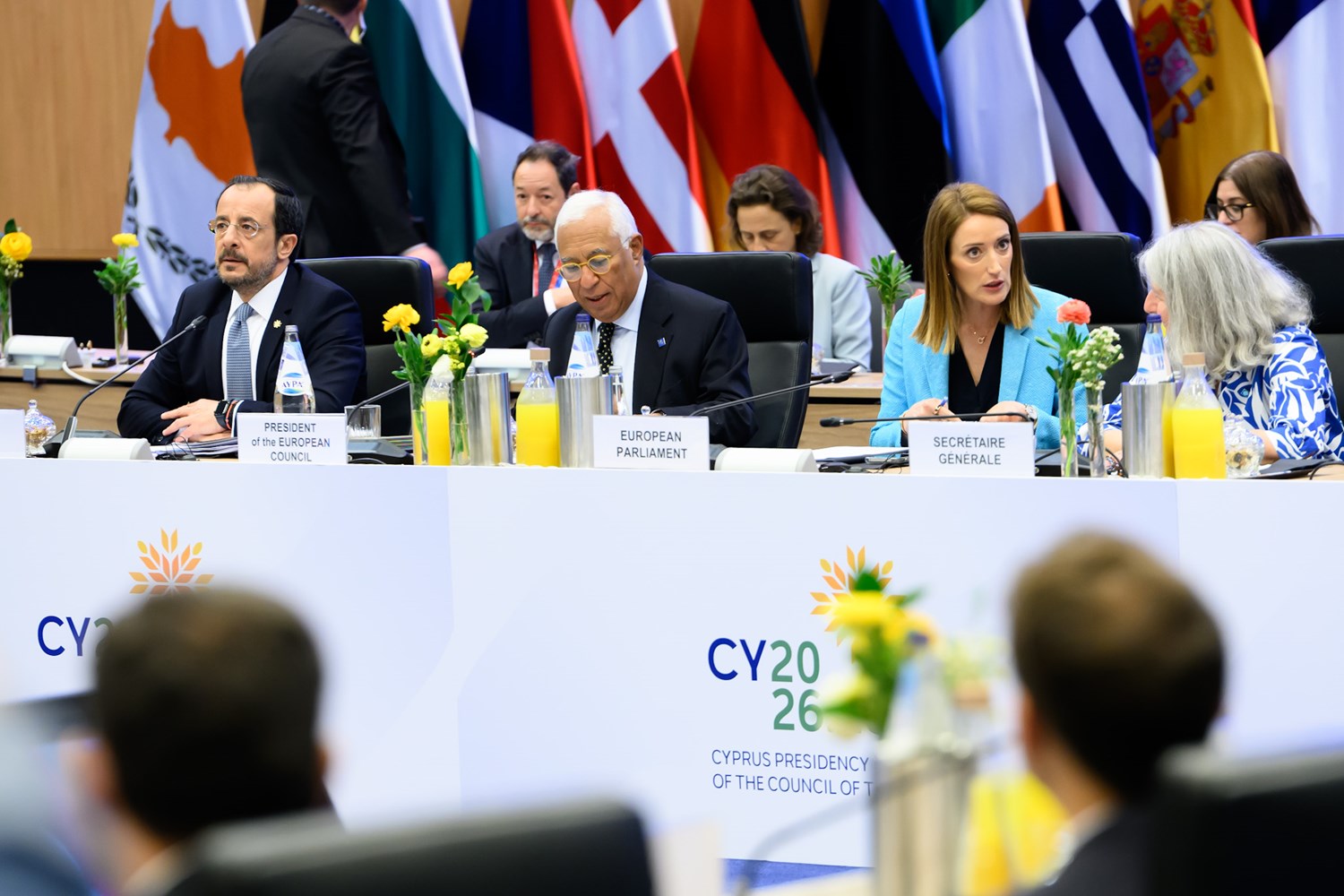
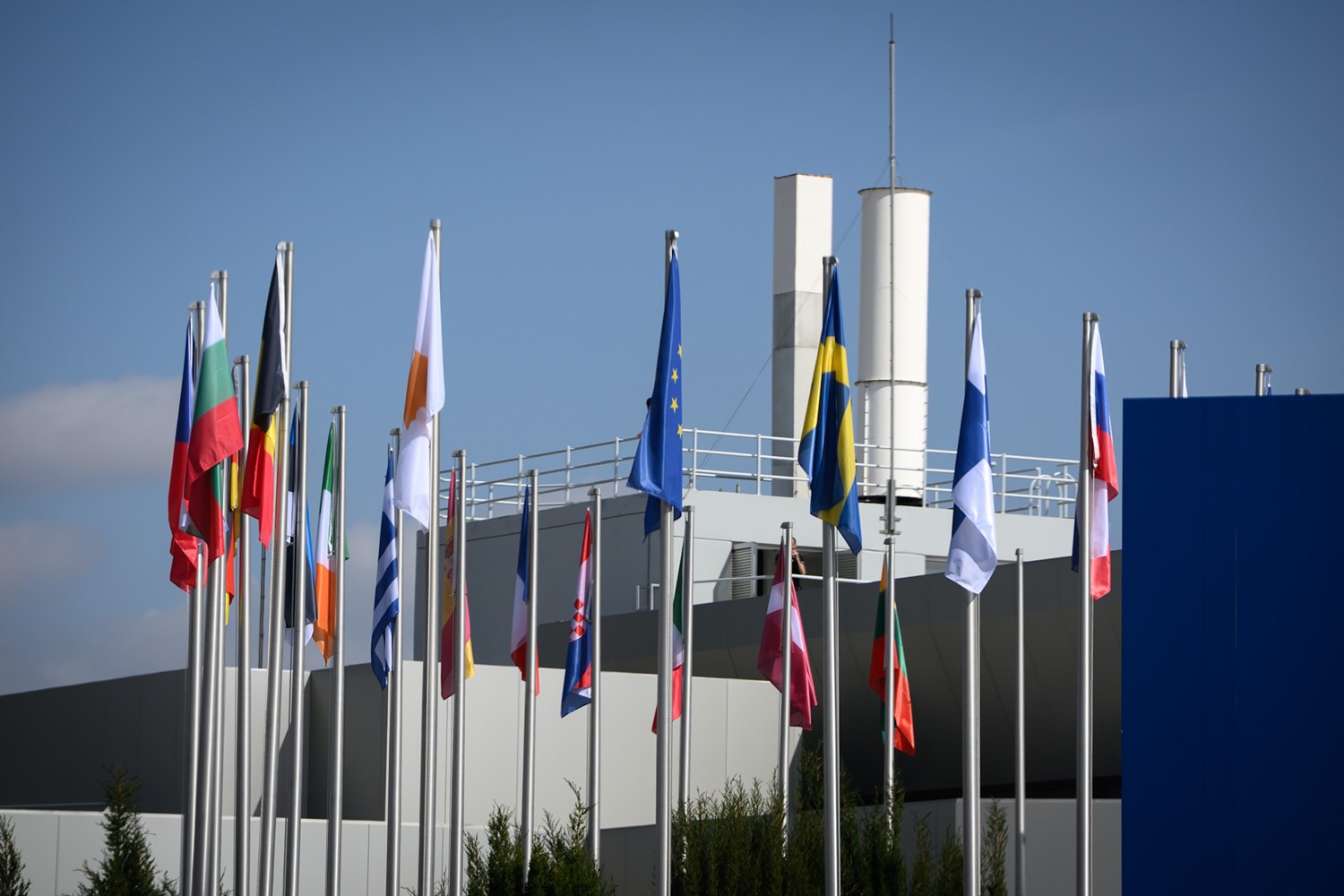
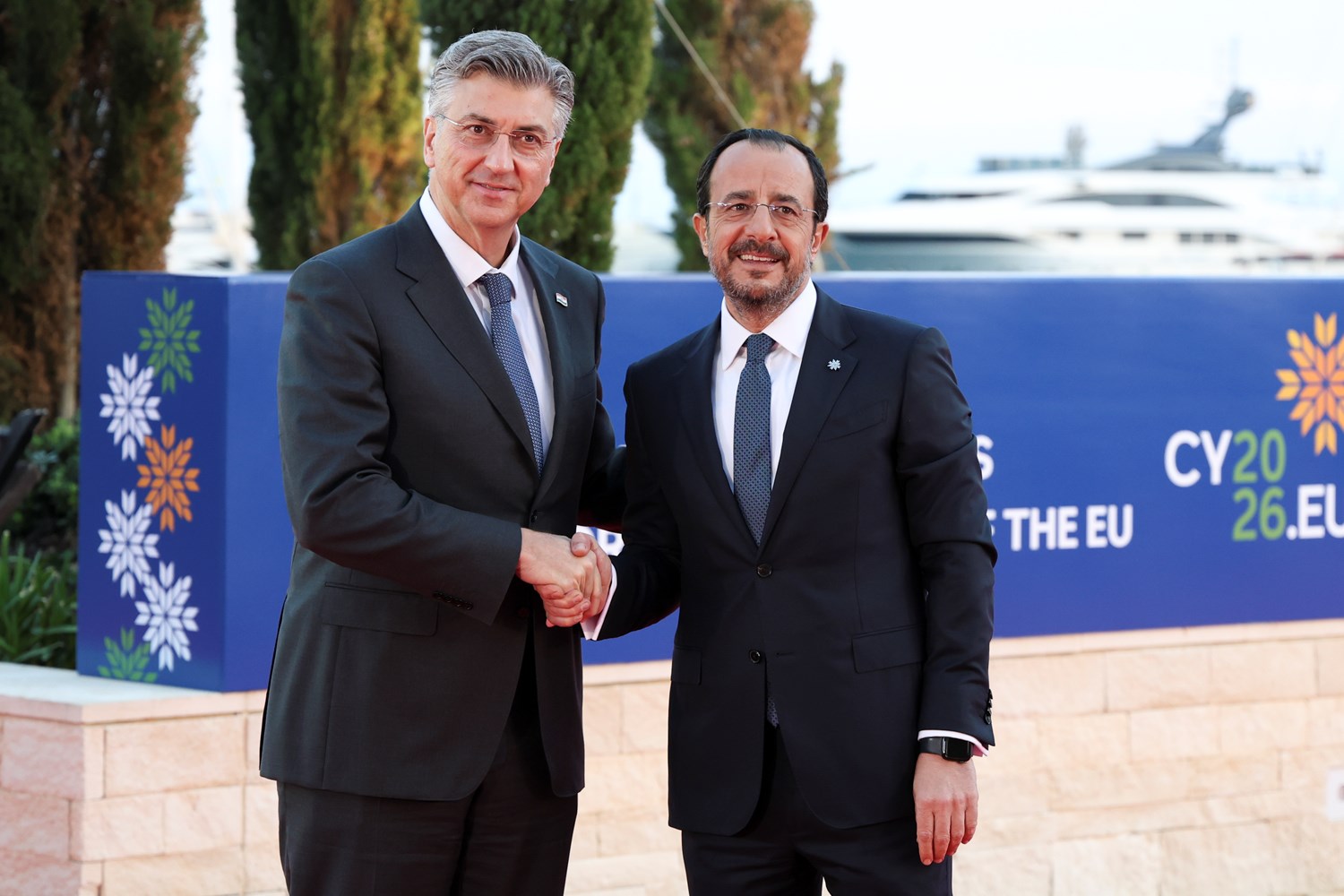
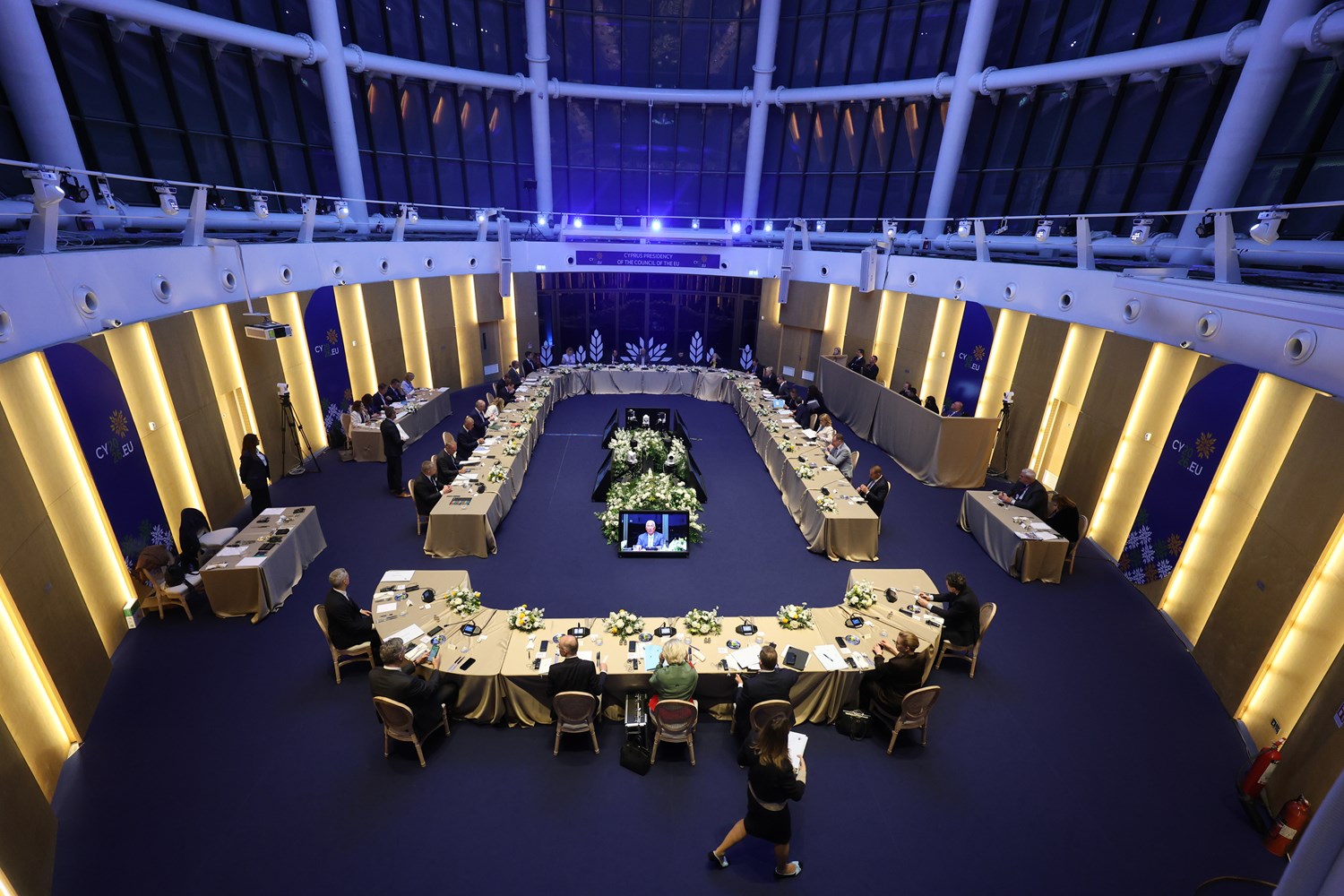
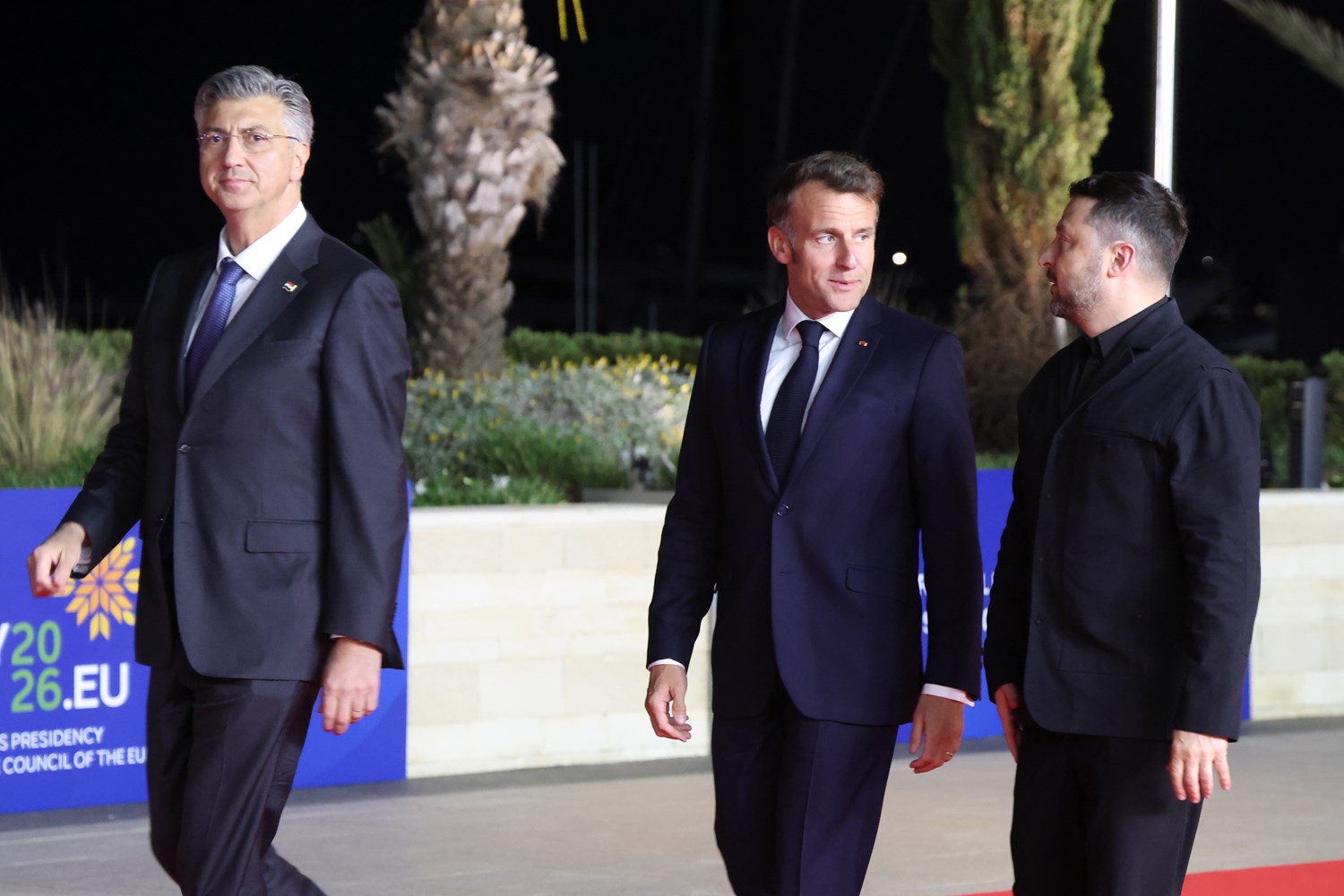
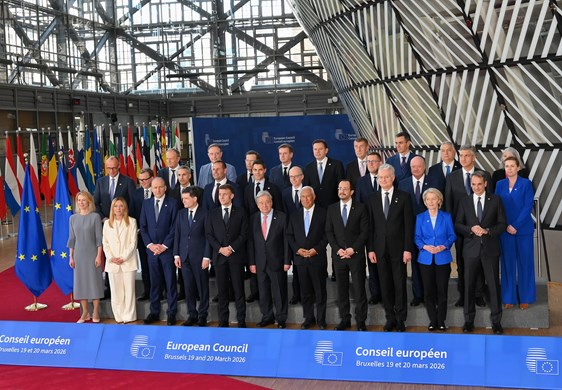
The leaders of the European Union gathered in Nicosia, Cyprus, and the discussions focused on geopolitical circumstances, the new Multiannual financial framework, Russian aggression against Ukraine and the consequences of the war in the Middle East.
- 24.04.2026.
- video
-
photo
.jpg?preset=article-main-img)
Gallery


.jpg?preset=news-carousel-img)