On that occasion, Prime Minister Andrej Plenković thanked Secretary General Cormann for his engagement in his mandate and support for all the reform efforts undertaken by Croatia on its way to membership in the OECD, the only remaining large economic international organization it can still join.
He recalled that the first OECD report for Croatia was presented by Secretary-General Cormann in Zagreb, in September 2023.
"It served as an incentive for us to take over all the legal acquis that are part of the OECD's system, conventions or special recommendations, which are an upgrade of what we did at the time of accession to the European Union," he said, highlighting the OECD's key motto "Better policies for a better quality of life for citizens."
In three and a half decades of independence, Croatia has gone through a very demanding path, from a state that was not an international subject, through international recognition, defense against the aggression of the Greater Serbian Milošević regime and victory in the Homeland War, liberation of territory, peaceful reintegration and reconstruction to integration into international organizations, NATO and the European Union.
After membership in the Eurozone and the Schengen area, we are completing Croatia's international positioning by soon joining the OECD, said the Prime Minister.
Continuous growth of the economy, salaries and pensions
Speaking about the economic situation in Croatia, the Prime Minister pointed out that the economy is continuously growing, and faster than the average of the European Union and Eurozone countries.
Croatia's GDP has almost doubled since 2016, he added, and employment outside the tourist season is slightly less than one million and 730 thousand people, while unemployment is practically at the natural level, i.e. below 5 percent.
In addition, we are recording continuous growth of salaries and pensions, and in terms of macroeconomic indicators, we are fulfilling the Maastricht criteria and continuously reducing public debt, which today is at around 56 percent of GDP, which is almost 30 percentage points less than it was during the Covid-19 pandemic, said Prime Minister Plenković.
He cited the investment credit rating with a positive or stable outlook from all three global agencies, as well as the growth of GDP per capita since 2016 from 11 thousand to 23.5 thousand euros.
Significant reforms in tax policy and state asset management
Speaking about the OECD recommendations, the Prime Minister pointed out that significant reforms have been implemented in terms of tax policy, state asset management, especially in state-owned and partially state-owned enterprises.
This is followed, he added, by significant reforms in the field of justice and public administration, as well as further dynamization of the labor market and continued investment in education, a cycle worth 2.7 billion euros.
He emphasized that special attention is being paid to energy policy, strengthening energy independence, diversifying supply routes and transforming Croatia into a relevant regional energy hub.
"This second economic review will give us basic signals on what exactly we need to do in the next few months to complete this process," said the Prime Minister.
He emphasized that OECD membership means, above all, a stronger reputation of the country, further strengthening of its international position, greater investor confidence and a more stable framework and business climate, i.e. a reliable, strong, predictable legal and tax framework and a climate that attracts investors.
Croatia has gone from being an outsider to being one of the first countries to join the OECD
Strengthening institutions and regulatory predictability are the foundations that are very important when a country joins the club of the most developed countries in the world, he added.
This also implies a dynamic labor market that is filled with well-educated young people with broad basic knowledge and the necessary specific knowledge that gives them a chance on the domestic, European and global markets.
He thanked everyone who worked on this demanding process, adding that seven more countries are striving to join the OECD.
On this occasion, he also thanked the former Minister of Finance, Marko Primorac, for his contribution to economic and fiscal policy and responsible management of public finances, and wished him success in his new role as Vice President of the European Investment Bank.
From a country that was a kind of outsider a few years ago, Croatia has become one of the first countries to complete this process, he concluded.
Cormann: Thanks to strong and resilient economic growth, Croatia is catching up with the average standard of OECD countries
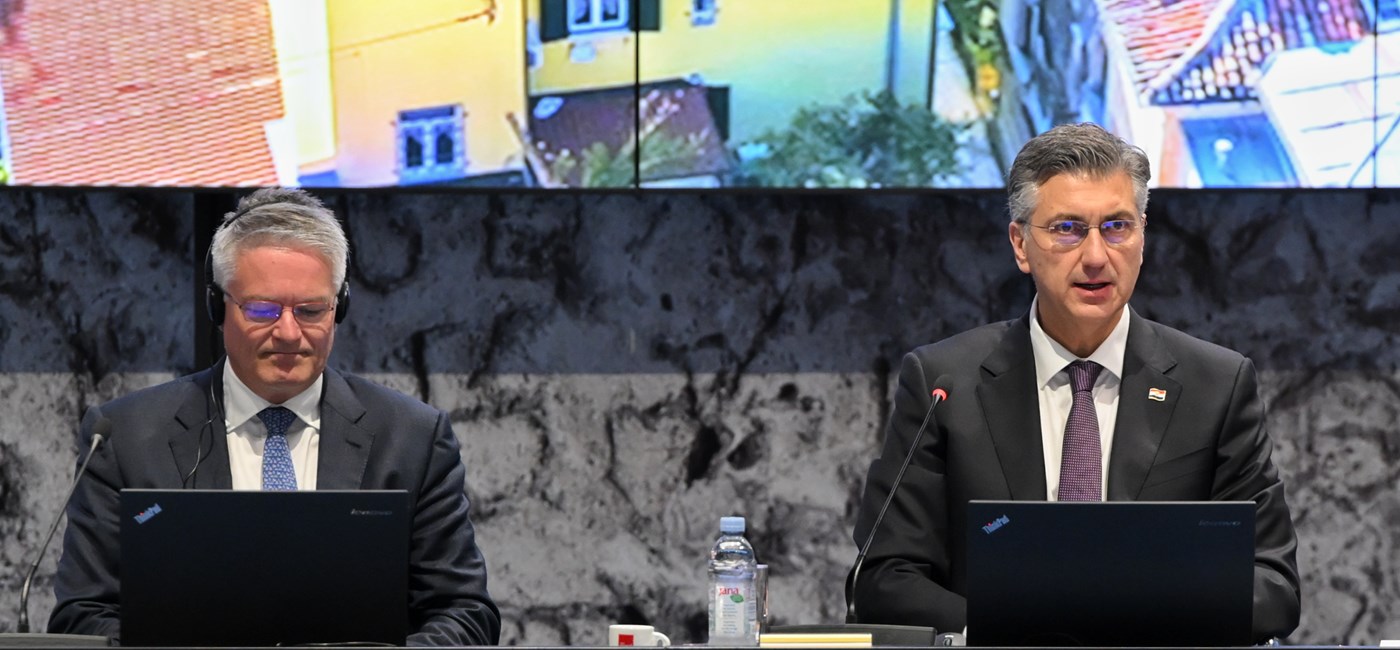
OECD Secretary-General Cormann presented the second Economic Survey of Croatia.
The OECD accession process is a transformational journey that helps candidate countries implement reforms, align with international practices and standards, and lay the foundation for long-term growth and standard growth, said Cormann.
“Croatia has made excellent progress in the OECD accession process, thanks to the strong commitment of the Government,” said Cormann, thanking Prime Minister Plenković for his leadership.
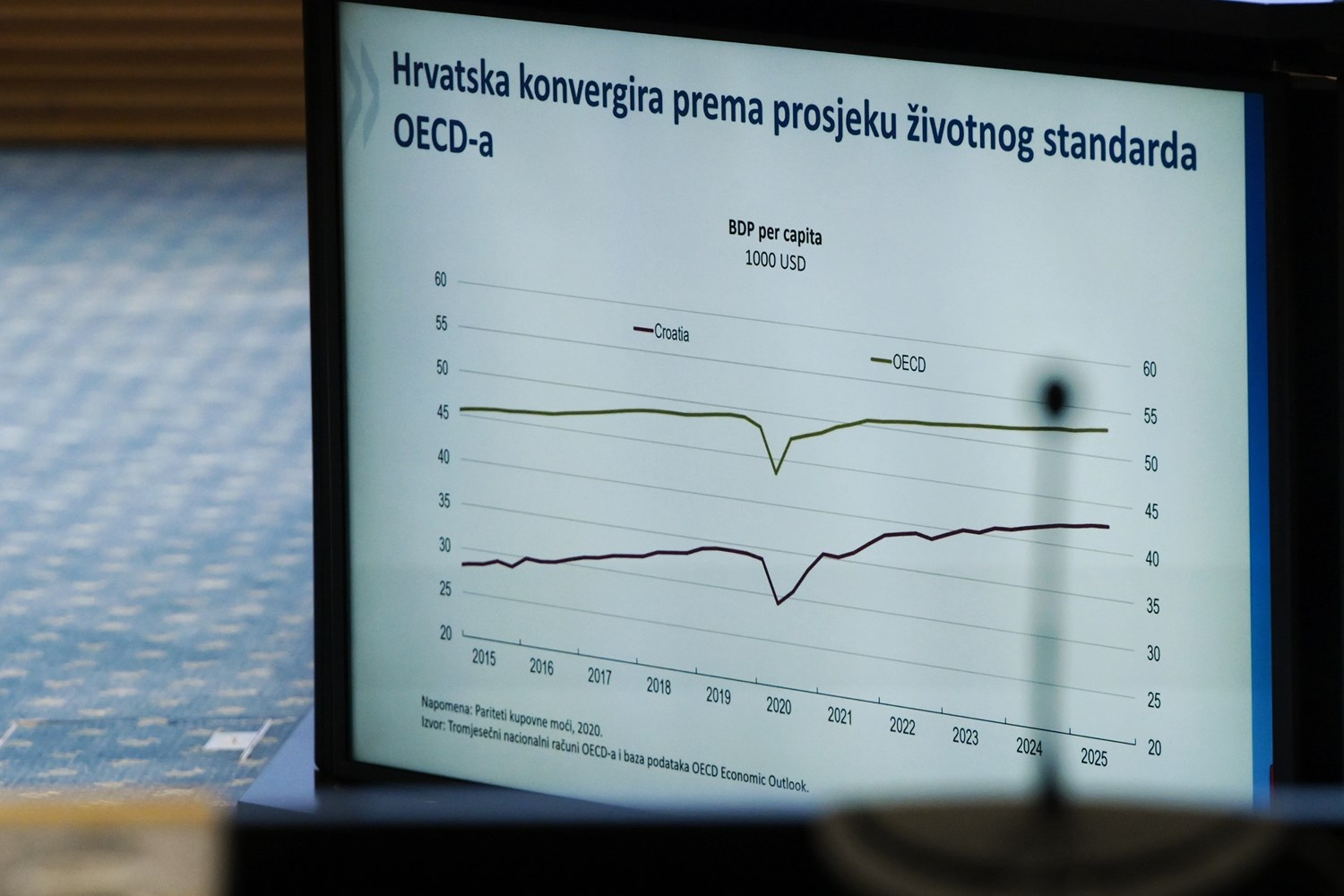
Croatia needs to maintain the momentum of structural reforms in order to continue strong economic convergence, and thanks to strong and resilient economic growth, it is catching up with the average standard of OECD countries.
Thus, Croatia’s GDP per capita now stands at 81 percent of the OECD average, while ten years ago it was only 62 percent.
Maintaining macroeconomic stability and sustainability
The OECD expects continued robust GDP growth of 2.7 percent this year and 2.4 percent next year. As for inflationary pressures, he noted that they have eased, although they remain high.
When it comes to key recommendations, the OECD believes that, in order to ensure medium-term fiscal sustainability, it is necessary to broaden the tax base and strengthen the efficiency of the tax system in order to generate the necessary revenues.
They also suggest the abolition of energy subsidies and food price caps, while protecting vulnerable households through targeted support.
"We need more effective measures that specifically target vulnerable households," said Cormann.
Strengthening the governance of public enterprises can increase productivity and improve public services, the report highlighted, and in this context, Secretary-General Cormann said that the laws passed last year are a very important step in improving governance and outcomes when it comes to state-owned enterprises.
Responding to an ageing population
Croatia's population is shrinking and ageing rapidly, which has a negative impact on potential growth and public spending. In order for Croatia to respond to these trends, the OECD emphasizes the need for reforms in the pension and health systems, long-term care systems, as well as the labor market, in order to extend working lives, improve health outcomes, and increase the share of the working population.
Improving health outcomes, through strengthening prevention and the provision of high-quality primary and hospital care, is one of the important prerequisites for extending working lives, the OECD points out.
Wider access to vocational rehabilitation for people with disabilities can improve employment, Cormann added.
Strengthening work-based learning would also contribute to the employment of people with vocational education.
Housing policy
The OECD report notes that the large number of housing units and tourist rental facilities reduces the supply and affordability of housing.
Improving policies on land use and building efficiency can increase the supply of housing units, and the development of the long-term rental market could increase labor mobility.
The possibility of optimizing real estate taxation is also highlighted.
Climate-resilient Economy
The report highlights the need for accelerated policy measures to achieve net-zero emissions by 2050, which requires a comprehensive policy package, aiming to phase out fossil fuels, while promoting renewable energy sources, increasing the energy efficiency of buildings, and reducing car dependency.
In this context, it adds that faster permitting can encourage the use of renewable energy sources, and this can be achieved by increasing administrative capacity, simplifying the licensing process, or launching a one-stop shop.
“The Croatian economy is in very good shape and is moving steadily towards convergence with OECD income and living standards, based on strong and resilient growth and strong reform efforts,” stressed Secretary-General Cormann, expressing support for Croatia’s membership in the OECD.
SECOND OECD ECONOMIC SURVEY OF CROATIA
Thanks to the strong commitment of the Government, Croatia has made fantastic progress
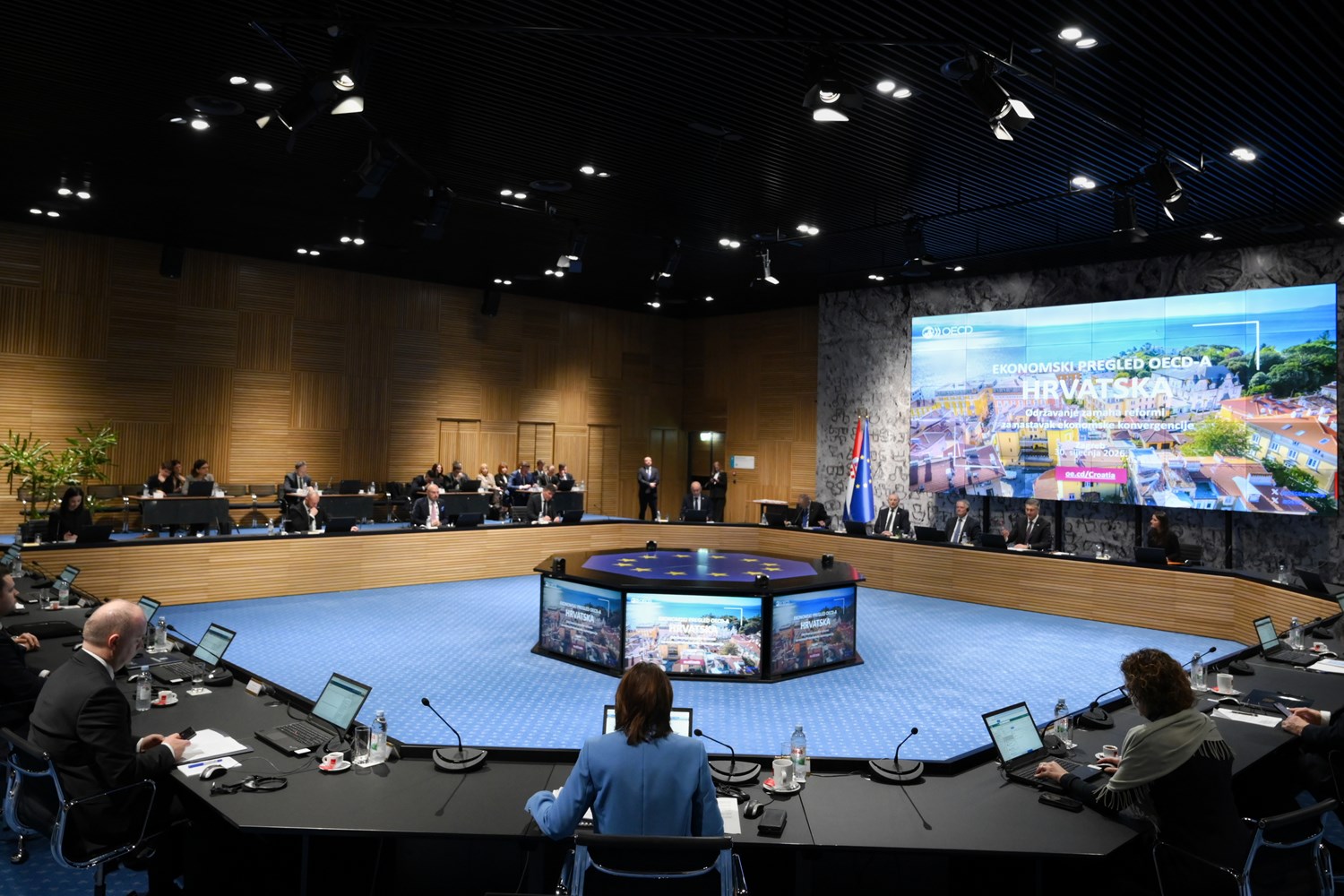
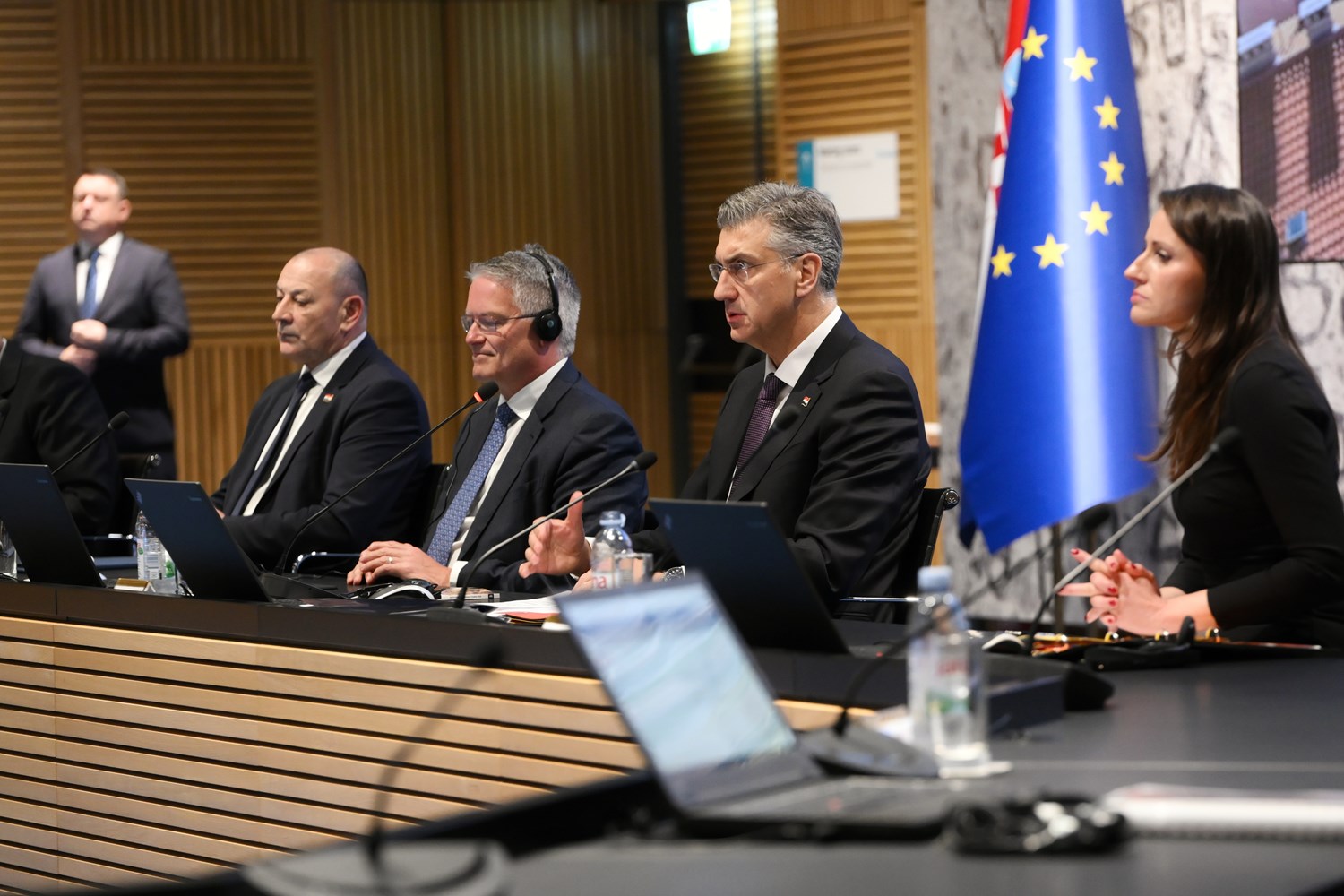
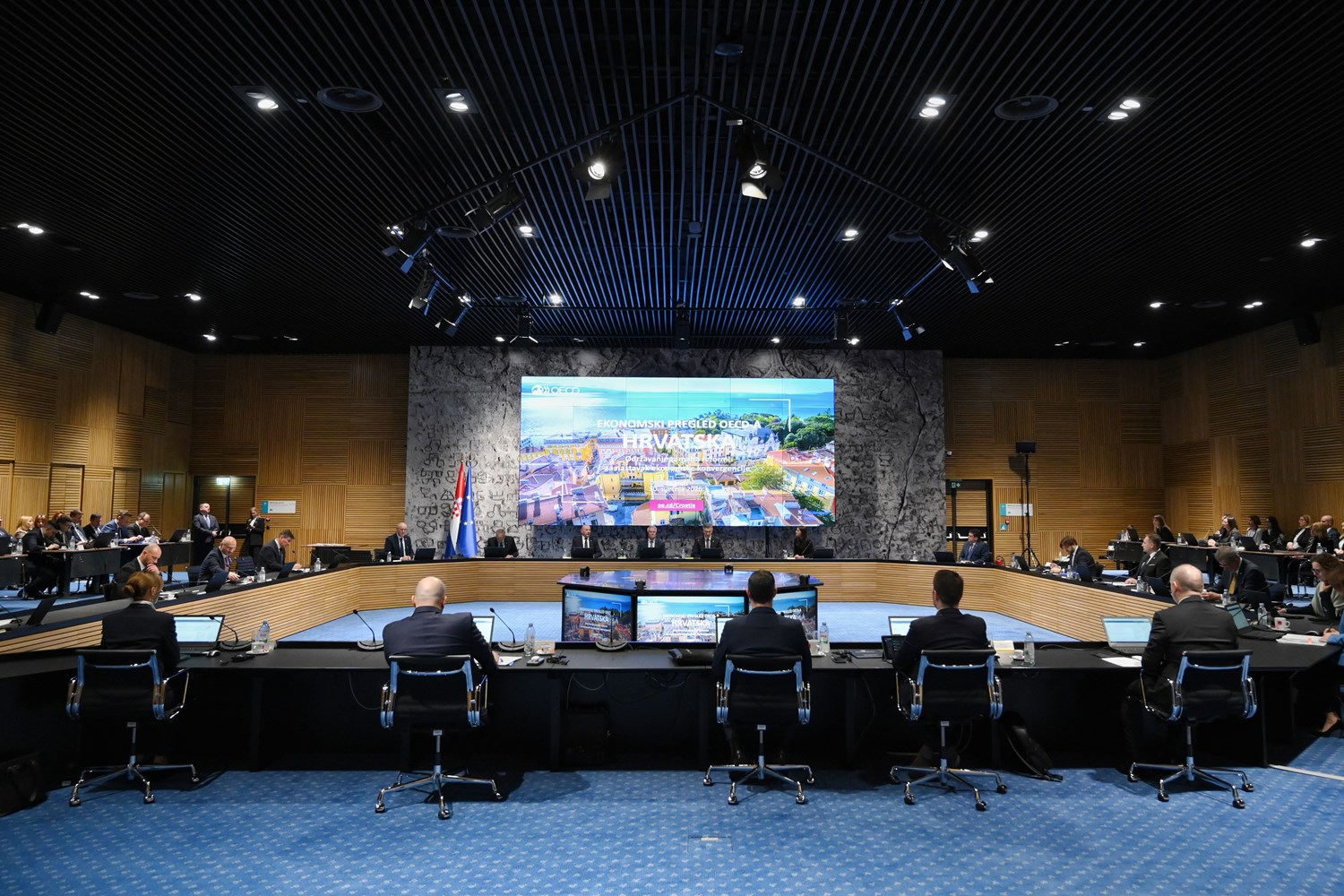
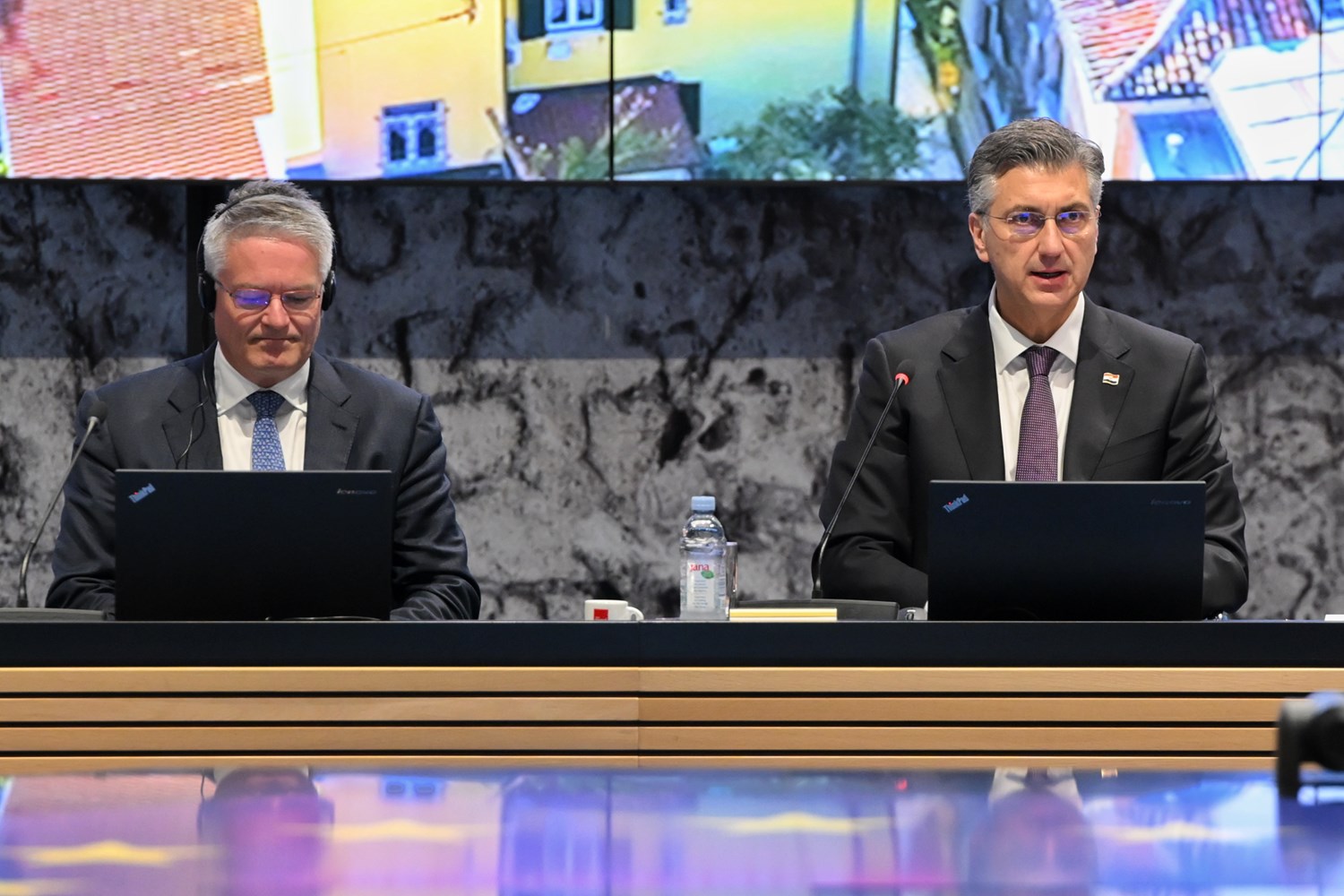
Secretary-General of the Organization for Economic Co-operation and Development, Mathias Cormann, presented today at a thematic session of Croatian Government the second OECD Economic Survey of Croatia, described as a major step in the country's accession process, which is expected to be completed this year.
- 30.01.2026.
- video
-
photo
- Download photo
Gallery

.jpeg?preset=news-carousel-img)


